Australia has established itself as one of the most organized and globally respected destinations for international education. For Indian students, it offers internationally recognised qualifications, structured work rights during study, and long-term career pathways within a strong, skills-focused economy.
Unlike some destinations where education and migration operate separately, Australia aligns its international education system with workforce demand. This means that many programs are designed to prepare students for industries facing real skill shortages.
Australia currently hosts hundreds of thousands of international students, with Indian students forming one of the fastest-growing student groups across universities and vocational institutions.
Why Study in Australia?
Australia’s appeal lies in the combination of academic quality, industry integration, and post-study opportunities.
The country consistently ranks among the top destinations for international education due to its globally ranked universities, safe cities, and strong employment outcomes for graduates.
Australian universities emphasize practical learning, research innovation, and industry partnerships. Many programs incorporate internships, research projects, or industry placements that help students build employable skills.
For Indian students seeking both high-quality education and realistic career opportunities, Australia offers a balanced pathway between academic development and professional growth.
Australian Higher Education System Explained
Australia’s education system is regulated under the Tertiary Education Quality and Standards Agency (TEQSA) and the Australian Qualifications Framework (AQF), ensuring nationally consistent academic standards.
Institutions generally fall into three categories:
Public Universities
Technical and Further Education (TAFE) Institutions
Private Higher Education Providers
Programs offered include:
Bachelor’s degrees
3–4 Years
Master’s degrees
1–2 Years
Graduate certificates and diplomas
Doctoral Programs
3–4 Years
Vocational training programs
Certificate & Diploma levels
Many universities offer industry-integrated programs, internships, and research collaborations with global companies.
TAFE institutions are particularly known for hands-on vocational training, often linked to industries such as hospitality, construction, healthcare, and engineering.
Top Universities in Australia
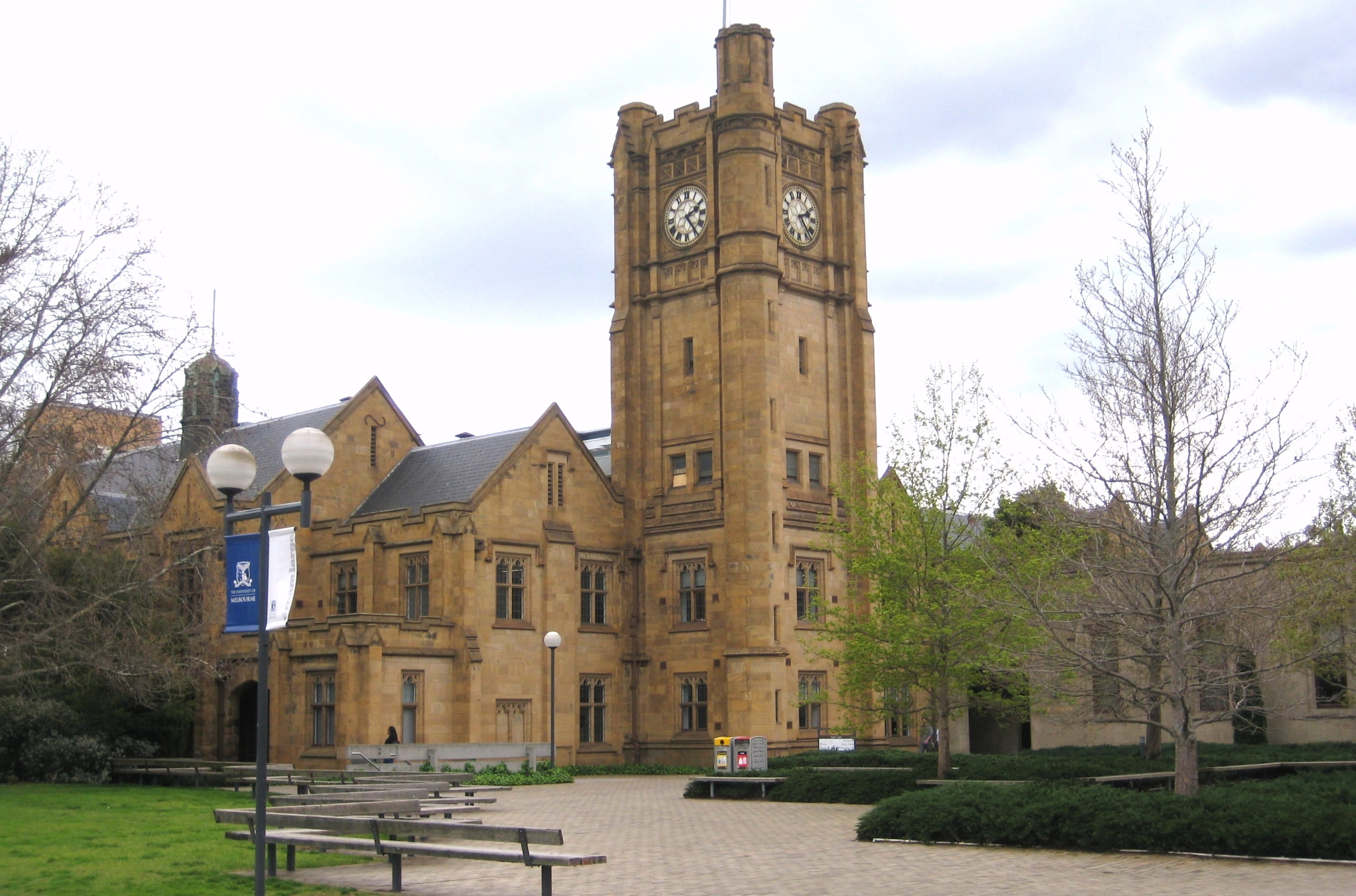
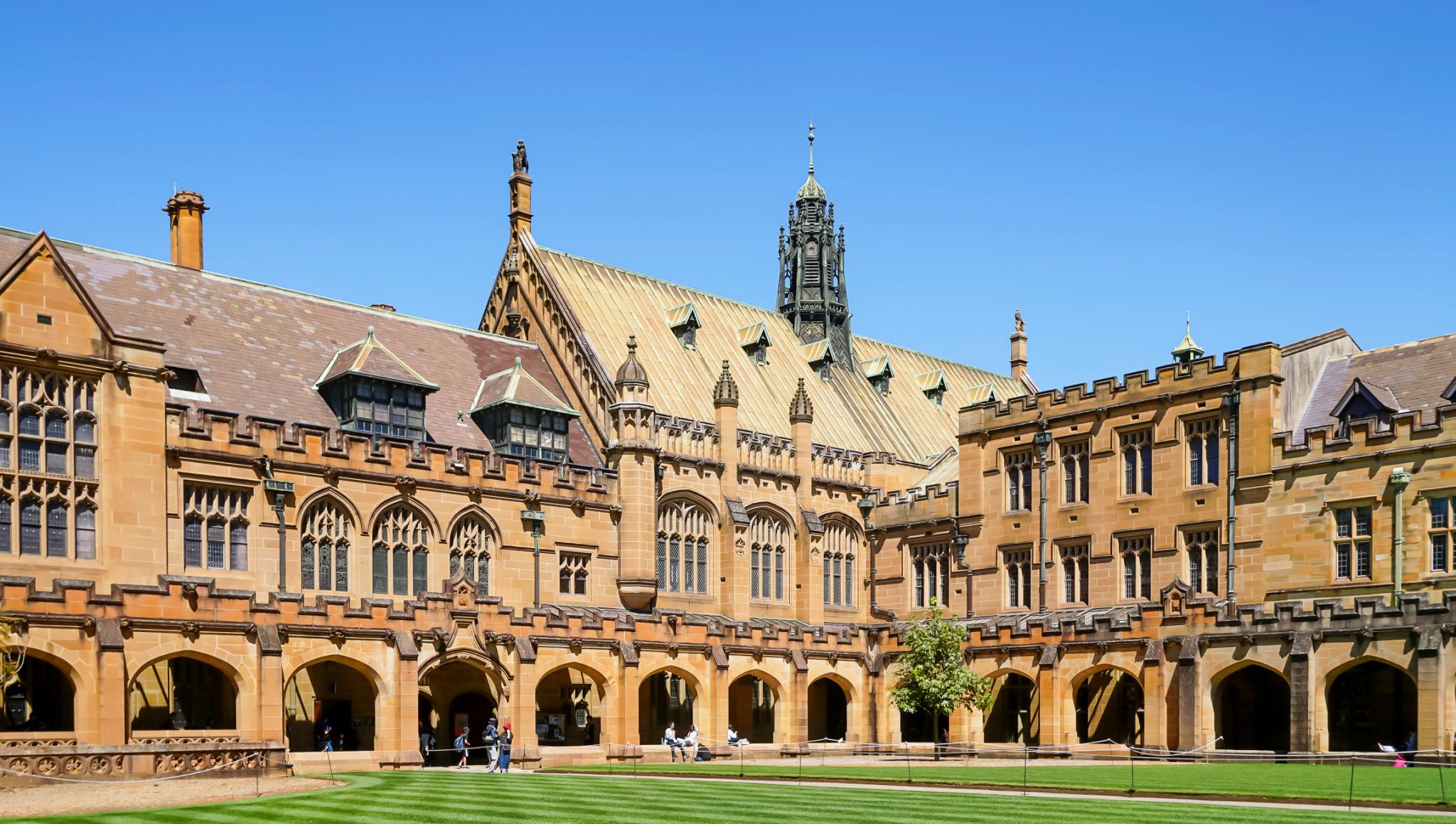
Australia hosts several globally ranked universities, including:
These institutions are recognised internationally for academic excellence, research output, and industry collaboration.
Beyond the top-ranked universities, Australia also has many high-quality public universities and vocational institutions that offer specialised programs with strong employment outcomes.
Australia Student Visa: What You Actually Need
International students require the Subclass 500 Student Visa to study in Australia.
This visa allows students to:
Study full-time at a registered institution
Work part-time during study
Work full-time during academic breaks
Bring eligible dependents in certain cases
To apply, students must first secure a Confirmation of Enrolment (CoE) from an approved institution.
Applicants must also meet English language, financial capacity, and Genuine Student (GS) requirements.
Financial Requirements to Study in Australia
Australia maintains strict financial proof requirements to ensurestudents can support themselves during their studies.
Tuition Fees
Category
Annual Cost (AUD)
Annual Cost (INR Approx.)
Undergraduate programs
25,000 – 45,000 per year
≈ INR 13.5 lakh – 24.5 lakh
Postgraduate programs
28,000 – 50,000 per year
≈ INR 15 lakh – 27 lakh
MBA programs
40,000 – 65,000 per year
≈ INR 21.5 lakh – 35 lakh
Vocational diploma programs
15,000 – 25,000 per year
≈ INR 8 lakh – 13.5 lakh
Exchange rates fluctuate; INR values are approximate.
Living Expenses
The Australian government currently requires international students to demonstrate living expenses of approximately:
Studying in Australia involves more than simply securing admission. It requires careful planning of education, finances, and long-term career strategy.
Winny supports students throughout this process.
Profile & Eligibility Assessment
We evaluate your academic background, study gaps, English readiness, and course alignment before application.
Course & University Strategy
We help identify programs that align with your career goals and potential migration pathways.
Financial Documentation Guidance
From tuition planning to source-of-funds explanation, we structure your financial documentation clearly.
Genuine Student Statement Support
We help build a structured study plan that demonstrates academic progression and career clarity.
Student Visa Application Support
Guidance on documentation, visa submission, biometrics, and application tracking.
Post-Study Planning
Early understanding of graduate visa options and skilled migration pathways.
Experience quality education, post-study work rights, and a great lifestyle Australia offers globally ranked universities and a clear pathway to skilled career opportunities.
Access globally recognized MBA and management programs with strong employability outcomes.
Engineering
Pursue civil, mechanical, or mining engineering with industry placements and practical exposure.
Health Sciences
Build a career in healthcare, nursing, or public health with high global demand.
Information Technology
Master cloud computing, AI, and software systems in one of the fastest-growing job sectors.
Environmental Science
Study marine ecology, sustainability, and conservation in Australia’s diverse natural landscapes.
Hospitality
Train with global standards in tourism, hotel, and event management across vibrant Australian cities.
Tuition Fees: AUD $20,000–$45,000/year Living Costs: AUD $15,000–$22,000/year
Scholarships: Australia Awards, Destination Australia, and university-specific merit scholarships.
Frequently Asked Questions
Everything you need to know in one place
Can I stay back and work after completing my studies?
Most top destinations offer post-study work permits (PSW) that let you gain international work experience. Duration depends on the country and program level
How do I know if I am eligible for a study abroad program?
Eligibility depends on academic scores, language proficiency, financial capacity, and program prerequisites. Winny evaluates your profile and suggests the right options.
What is the timeline for the study abroad process?
The process generally takes 8–12 months, including university selection, application submission, offer letters, financial prep, and visa filing.
Can I work part-time while studying abroad?
Most countries allow international students to work 20 hours/week during classes and full-time during breaks. Part-time jobs help manage living expenses and gain experience.
Do universities offer scholarships to international students?
Yes, many universities offer merit-based, need-based, and country-specific scholarships. Winny helps identify scholarships you qualify for and guides you with applications.
What English tests are accepted by universities?
Most universities accept IELTS, TOEFL, PTE, Duolingo, or country-specific tests. Your required score depends on your program and university.
How do I choose the right country to study abroad?
Students usually decide based on career goals, budget, job opportunities, PR pathways, and university rankings. Winny helps you shortlist countries that match your long-term plan.
What documents are required to apply for study abroad?
You typically need academic transcripts, passport, English-language test scores, SOP/LORs, financial proof, and application forms. Requirements vary by country and university.
How much does it cost to study abroad?
Costs depend on the country, program, and living expenses. Students should plan for tuition, accommodation, travel, and daily expenses. Winny helps with accurate cost breakdowns for your target country.
What are the best intakes for studying abroad?
Major intakes include Fall/September and Spring/January, while some countries also offer Summer or rolling intakes. Applying early ensures better chances of admission and scholarships.
In 2026, global migration offers real opportunities for Indian professionals, but success depends on profile strength, preparation, and choosing the right country.
Germany’s Opportunity Card allows professionals to move without a job offer and access a labour market facing 400,000+ annual worker shortages, creating strong opportunities across sectors.
Germany’s Opportunity Card allows IT professionals to enter without a job offer and access a growing tech job market driven by long-term digital transformation.
Germany Opportunity Card for engineers in 2026 explained. Understand eligibility, points system, job demand, salary, and real chances of getting hired in Germany.
Compare Germany Opportunity Card vs German Work Visa in 2026. Learn eligibility, salary thresholds, timelines, points system, job search rules, and which visa is better for skilled professionals.
Can you apply for the Germany Opportunity Card after 40? Learn about the age limit, points system, eligibility rules, and chances for experienced professionals in 2026.
Discover if education in Germany is free for Indian students. Learn tuition fees, living costs, blocked account requirements, and total study expenses in 2026.
Germany’s Opportunity Card requires applicants to prove approximately €12,324 in liquid funds to support themselves during the 12-month job search period.