
Contact us
Connect with our expert today.
Thank you! Your submission has been received - a dedicated expert will contact you shortly.
Oops! Something went wrong while submitting the form. Please try again.
WhatsApp Watermark or Logo
STUDY ABROAD

Study in the USA for Indian Students

No items found.

The United States remains the world’s largest and most influential destination for international education. For Indian students, the USA offers globally recognized degrees, unmatched research infrastructure, and access to one of the most dynamic job markets in the world.

American universities are known for academic flexibility, cutting-edge research, and strong connections with global industries. This combination has made the USA the preferred destination for students seeking careers in technology, research, business, and innovation-driven sectors.

Today, over one million international students study in the United States, with Indian students forming one of the largest international student communities.

For students looking for world-class universities, strong career prospects, and access to global industries, the USA remains one of the most strategic education destinations.

Why Study in the USA?

The strength of the US education system lies in its academic diversity, research leadership, and career opportunities.

The USA hosts more than 4,000 universities and colleges, offering an extensive range of programs across disciplines. Students benefit from flexible academic structures that allow them to explore subjects before specialising in a major field.

American universities are also closely connected with industries such as technology, finance, healthcare, engineering, and media. Many programs include internships, research assistantships, and industry collaborations that enhance employability.

For Indian students, studying in the USA provides access to a global academic ecosystem combined with strong professional exposure.

US Higher Education System Explained

Higher education in the United States is decentralised and includes a wide range of institutions.

Major institution types include:

Public
Universities (State Universities)

Community
Colleges

Private
Universities

Liberal
Arts Colleges

Programs offered include:

Associate degrees

2 years

Bachelor’s degrees

4 years

Master’s degrees

1–2 years

Doctoral Programs

4–6 years

Professional degrees

MBA, JD, MD

One of the defining features of US education is academic flexibility. Undergraduate students often spend the first year exploring subjects before declaring a major.

Graduate programs are typically more specialised and research-oriented.

Top Universities in the USA

The United States is home to many of the world’s highest-ranked universities, including:
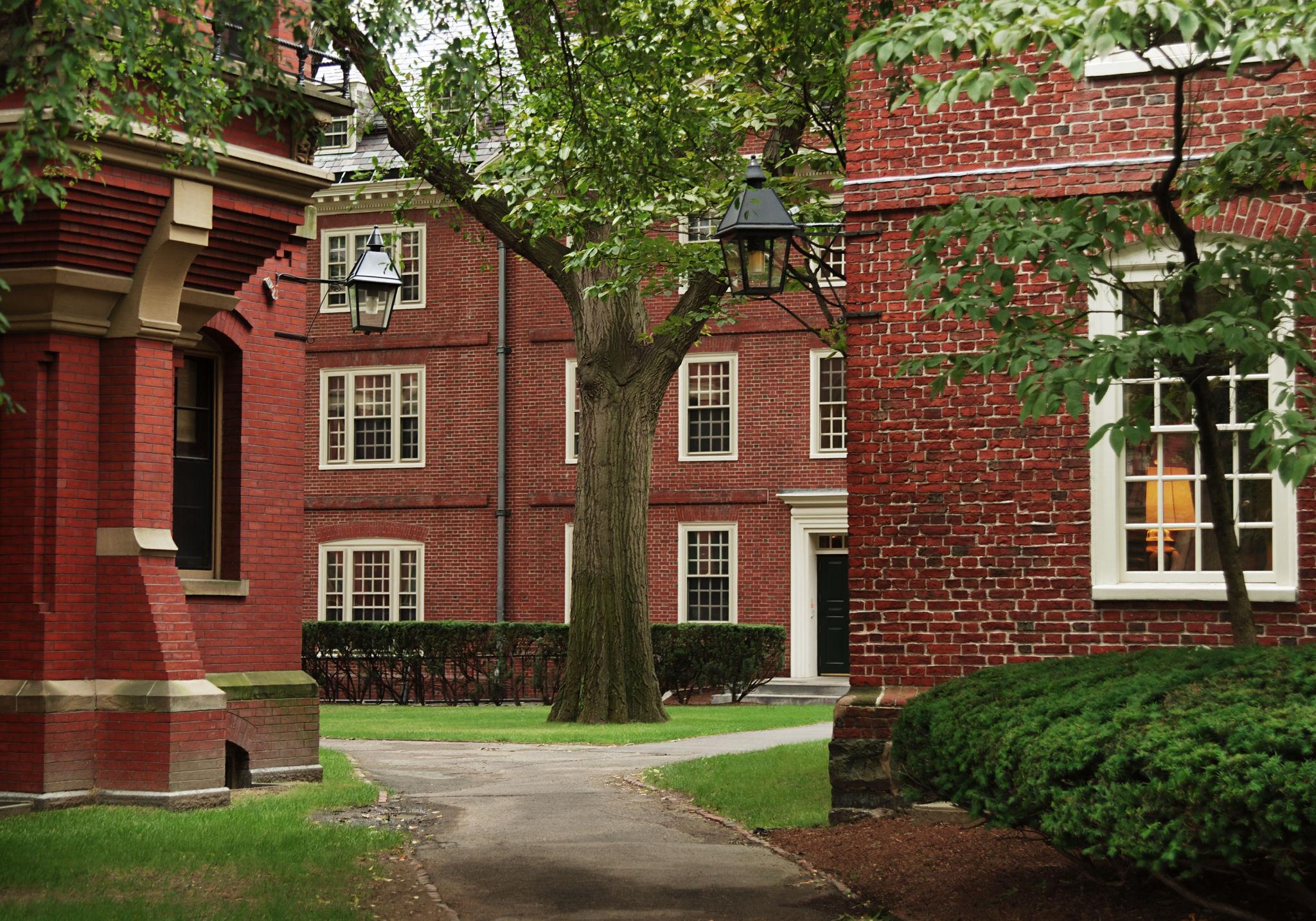
Harvard University
Massachusetts Institute of Technology (MIT)
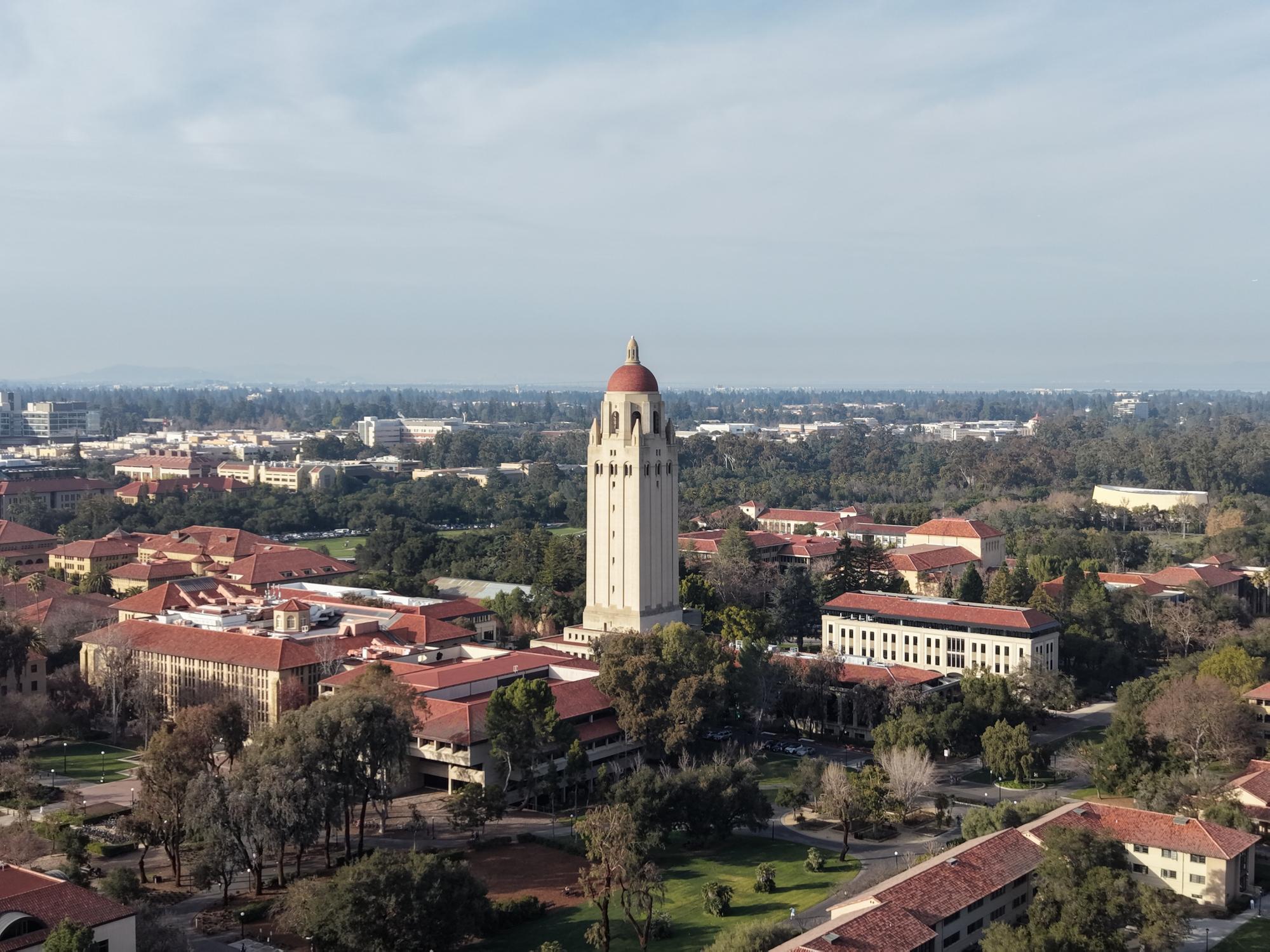
Stanford University
University of California, Berkeley
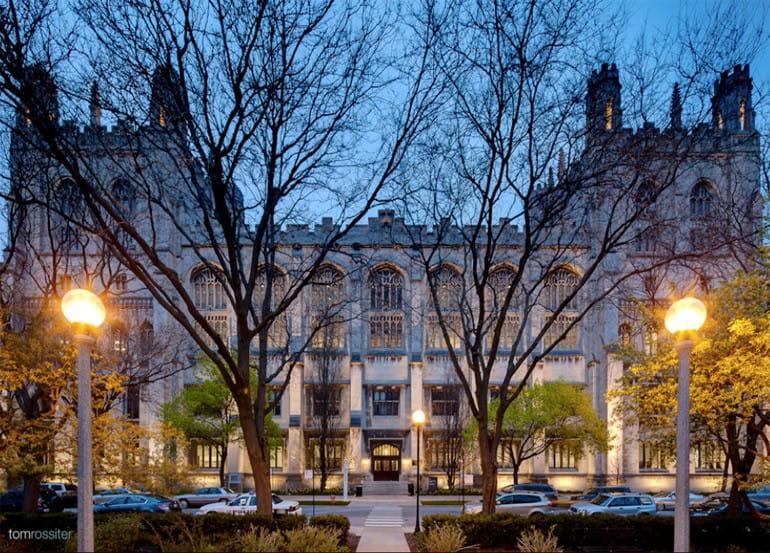
University of Chicago

These institutions are globally recognised for research excellence, innovation, and strong alumni networks.

Beyond the Ivy League and elite institutions, hundreds of other US universities offer excellent programs with strong industry connections and graduate employment outcomes.

USA Student Visa: What You Actually Need

International students typically study in the USA under the F-1 Student Visa.

This visa allows students to:

  • Study full-time at an approved institution
  • Work on campus during studies
  • Participate in Optional Practical Training (OPT) after graduation
  • Apply for STEM OPT extensions (for eligible programs)

To apply for the F-1 visa, students must first receive an I-20 form from a Student and Exchange Visitor Program (SEVP)-approved institution.

Applicants must also demonstrate financial capability and strong academic intent during the visa interview.

Financial Requirements to Study in the USA

Studying in the USA requires careful financial planning due to tuition and living costs.

Tuition Fees
Programs Annual Cost (USD) Annual Cost (INR Approx.)
Undergraduate programs 20,000 – 45,000 per year ≈ INR 16.5 lakh – 37 lakh
Master’s programs 25,000 – 55,000 per year ≈ INR 21 lakh – 45 lakh
MBA programs 40,000 – 80,000 per year ≈ INR 33 lakh – 66 lakh
Community college programs 8,000 – 15,000 per year ≈ INR 6.5 lakh – 12 lakh
(Exchange rates fluctuate; INR values are approximate.)
Living Expenses in the USA

Living expenses vary depending on the city and lifestyle.

Typical monthly costs include:

Typical Monthly Costs Estimated Cost (CAD)
Accommodation USD 600 – 1,500
Food USD 300 – 6000
Transportation USD 70 – 200
Utilities & Internet USD 100 – 200

Estimated yearly living expenses:

USD 12,000 – 18,000 ≈ INR 10 – 15 lakh

Total estimated yearly budget including tuition:

USD 35,000 – 70,000 ≈ INR 29 – 58 lakh

English Language & Admission Requirements

Most US universities require proof of English proficiency.

Commonly accepted tests include:

  • IELTS Academic
  • TOEFL iBT
  • Duolingo English Test (accepted by many universities)

For graduate programs, additional exams may include:

  • GRE (Graduate Record Examination)
  • GMAT (for MBA programs)

Admission requirements vary depending on the university and program.

Work While Studying in the USA

International students on an F-1 visa can work:

  • Up to 20 hours per week on campus during the academic term
  • Full-time on campus during university breaks

Off-campus work is generally restricted unless authorised under specific programs such as CPT or OPT.

Part-time employment helps students gain professional exposure and support living expenses.

Optional Practical Training (OPT)

One of the most important advantages of studying in the USA is Optional Practical Training (OPT).

OPT allows international graduates to work in the USA after completing their degree.

Standard OPT duration:

Up to 12 months after graduation.

For graduates of STEM (Science, Technology, Engineering, Mathematics) programs, an additional 24-month STEM OPT extension may be available.

This allows eligible graduates to work in the US for up to 36 months.

Career Opportunities After Studying in the USA

The US job market offers strong opportunities across multiple sectors.

Industries with strong demand include:

Programs Section

Information Technology

Artificial Intelligence & Data Science

Engineering

Finance and Consulting

Healthcare

Business Analytics

Cybersecurity

Many international students gain professional experience through internships, OPT employment, and industry partnerships during their studies.

Long-Term Work Pathways

Graduates who secure qualifying employment may transition from OPT to employer-sponsored visas such as:

H-1B Specialty Occupation Visa

The H-1B visa allows skilled professionals to work in the USA for several years and may eventually open pathways to longer-term residency options.

However, H-1B visas are subject to annual quotas and lottery systems.

Scholarships in the USA

The United States offers numerous scholarships and financial aid opportunities for international students.

These include:

  • University merit scholarships
  • Department-based scholarships
  • Teaching assistantships
  • Research assistantships
  • Need-based financial aid (limited)

Major scholarship examples include:

  • Fulbright-Nehru Scholarship
  • Hubert Humphrey Fellowship
  • University-specific international scholarships

Many graduate programs also offer assistantships that cover tuition and provide stipends.

Intakes in the USA

US universities typically offer three major intakes:

Intakes Section

Fall (August/September) – Primary intake

Spring (January) – Secondary intake

Summer (May) – Limited programs

Students should begin preparing applications 8–12 months before their intended intake.

Can You Bring Dependents?

F-1 visa holders may bring eligible dependents under the F-2 visa category.

Dependents may include:

  • Spouse
  • Children under 21 years of age

However, F-2 dependents generally do not receive work authorization.

Common Reasons for US Student Visa Refusal

  • Weak academic progression
  • Poor visa interview performance
  • Insufficient financial proof
  • Unclear career plans
  • Lack of strong ties to home country

Preparation for the visa interview is a crucial part of the US student visa process.

How Winny Helps You Study in the USA

Studying in the USA requires careful planning across admissions, finances, and visa preparation.

Winny supports students through every stage.

Profile & Eligibility Assessment

We analyse academic background, study gaps, English readiness, and program suitability.

University & Program Selection

We help identify universities that align with academic goals, career outcomes, and budget.

Financial Documentation Guidance

We assist in structuring financial proof and funding documentation required for visa approval.

SOP & Application Preparation

Our team helps build strong academic narratives that reflect genuine intent and career clarity.

F-1 Visa Interview Preparation

We prepare students for visa interviews, including common questions and documentation readiness.

Post-Study Career Planning

We help students understand OPT rules, STEM extensions, and career planning strategies.

Study in USA

Experience world-class education, diverse culture, and unmatched career opportunities by studying in the United States — home to the world’s leading universities and global innovation hubs.
Header image

Why Study in the USA?

Global Academic Excellence
The USA is home to over 200 of the world’s top-ranked universities offering flexible learning and cutting-edge research opportunities.
Career Opportunities
Access Optional Practical Training (OPT) and STEM extensions that allow international students to gain up to 3 years of work experience after graduation.
Research & Innovation Hub
With billions in research funding annually, U.S. universities drive innovation in AI, biotech, data science, and engineering.
Diverse Campuses & Culture
Study alongside peers from over 150 nationalities — a truly global learning environment.
Scholarships & Financial Aid
Merit-based, need-based, and assistantship programs make world-class education more accessible.
Pathway to Global Careers
Top companies like Google, Amazon, and Microsoft actively recruit U.S. graduates for global roles.
How it works

Study in USA: Steps to Apply

Shortlist Programs & Check Entry Requirements

Explore top universities, majors, and standardized test requirements (SAT, GRE, TOEFL, IELTS).

Prepare Documents

Academic transcripts, test scores, SOP, LORs, and financial documents.

Submit Your Application

Apply to multiple universities through centralized or direct portals.

Secure Your Offer

Receive your acceptance, arrange funding, and pay deposits.

Apply for Visa

Apply for your F-1 student visa once you receive your I-20.

Popular Courses & Career Outlook

Computer Science & IT
Power your career in software, AI, and cybersecurity with top recruiters like Google and Microsoft.
Business & Finance
Study at globally ranked B-schools and build careers in consulting, analytics, and fintech.
Engineering
Advance in mechanical, civil, or electrical engineering through cutting-edge labs and co-op programs.
Health & Life Sciences
Explore biotechnology, public health, and medicine with strong research and internship options.
Data Analytics
Master data science and predictive analytics to meet the growing demand for data-driven roles.
Creative Arts & Design
Pursue film, media, or design in the world’s creative capital with access to leading studios and brands.

Tuition Fees: USD $20,000–$55,000/year
Living Costs: USD $12,000–$18,000/year

Scholarships: Fulbright Program, Stanford Knight-Hennessy,AAUW Fellowships, and university-specific awards.


Frequently Asked Questions

Everything you need to know in one place
Can I stay back and work after completing my studies?
Most top destinations offer post-study work permits (PSW) that let you gain international work experience. Duration depends on the country and program level
How do I know if I am eligible for a study abroad program?
Eligibility depends on academic scores, language proficiency, financial capacity, and program prerequisites. Winny evaluates your profile and suggests the right options.
What is the timeline for the study abroad process?
The process generally takes 8–12 months, including university selection, application submission, offer letters, financial prep, and visa filing.
Can I work part-time while studying abroad?
Most countries allow international students to work 20 hours/week during classes and full-time during breaks. Part-time jobs help manage living expenses and gain experience.
Do universities offer scholarships to international students?
Yes, many universities offer merit-based, need-based, and country-specific scholarships. Winny helps identify scholarships you qualify for and guides you with applications.
What English tests are accepted by universities?
Most universities accept IELTS, TOEFL, PTE, Duolingo, or country-specific tests. Your required score depends on your program and university.
How do I choose the right country to study abroad?
Students usually decide based on career goals, budget, job opportunities, PR pathways, and university rankings. Winny helps you shortlist countries that match your long-term plan.
What documents are required to apply for study abroad?
You typically need academic transcripts, passport, English-language test scores, SOP/LORs, financial proof, and application forms. Requirements vary by country and university.
How much does it cost to study abroad?
Costs depend on the country, program, and living expenses. Students should plan for tuition, accommodation, travel, and daily expenses. Winny helps with accurate cost breakdowns for your target country.
What are the best intakes for studying abroad?
Major intakes include Fall/September and Spring/January, while some countries also offer Summer or rolling intakes. Applying early ensures better chances of admission and scholarships.
Avatar photoAvatar photoAvatar photo

Still have questions?

Get in touch with an expert.

Blogs

Your Trusted Source For Overseas Blogs
Interviews, tips, guides, industry best practices, and news.
View all blogs

Can You Move to Germany Without IELTS?

IELTS is not mandatory for the Germany Opportunity Card—many applicants qualify without it depending on their pathway.
Read post

Is Moving Abroad Worth It in 2026?

In 2026, global migration offers real opportunities for Indian professionals, but success depends on profile strength, preparation, and choosing the right country.
Read post

How to Get a Job in Germany Without a Job Offer (Step-by-Step Guide for Indians)

Germany’s Opportunity Card allows professionals to move without a job offer and access a labour market facing 400,000+ annual worker shortages, creating strong opportunities across sectors.
Read post

How Indian IT Professionals Can Work in Germany Without a Job Offer

Germany’s Opportunity Card allows IT professionals to enter without a job offer and access a growing tech job market driven by long-term digital transformation.
Read post

Germany Opportunity Card for Engineers: Demand vs Eligibility (2026 Guide)

Germany Opportunity Card for engineers in 2026 explained. Understand eligibility, points system, job demand, salary, and real chances of getting hired in Germany.
Read post

Germany Opportunity Card vs German Work Visa

Compare Germany Opportunity Card vs German Work Visa in 2026. Learn eligibility, salary thresholds, timelines, points system, job search rules, and which visa is better for skilled professionals.
Read post

Germany Opportunity Card After Age 40

Can you apply for the Germany Opportunity Card after 40? Learn about the age limit, points system, eligibility rules, and chances for experienced professionals in 2026.
Read post

Is Germany Education Free for Indian Students? Full Cost Breakdown (2026 Guide)

Discover if education in Germany is free for Indian students. Learn tuition fees, living costs, blocked account requirements, and total study expenses in 2026.
Read post

Germany Blocked Account Explained Simply

Understand Germany’s blocked account (Sperrkonto) for 2026 — required amount, withdrawal rules, who needs it, and how to avoid visa delays.
Read post

How to Arrange Liquid Funds for Germany Opportunity Card (2026 Guide for Applicants)

Germany’s Opportunity Card requires applicants to prove approximately €12,324 in liquid funds to support themselves during the 12-month job search period.
Read post
Office setting

UX review presentations

How do you create compelling presentations that wow your colleagues and impress your managers?
Read post
Man working at desk

Migrating to Linear 101

Linear helps streamline software projects, sprints, tasks, and bug tracking. Here’s how to get started.
Read post
Man pinning images on wall

Building your API Stack

The rise of RESTful APIs has been met by a rise in tools for creating, testing, and managing them.
Read post
Mountains

PM mental models

Mental models are simple expressions of complex processes or relationships.
Read post
Desk with computer

Our top 10 Javascript frameworks to use

JavaScript frameworks make development easy with extensive features and functionalities.
Read post