France has evolved into one of the most structured and globally respected higher education destinations in Europe. For Indian students, it offers internationally recognised degrees, relatively affordable tuition at public institutions, and access to one of the largest economies in the European Union.
Unlike destinations where international education operates independently from industry needs, France integrates academic training with sectors such as business, engineering, luxury management, hospitality, and design. This alignment allows students to build both academic credentials and practical exposure.
France currently hosts a growing number of international students, with Indian students forming an increasingly important segment due to expanding bilateral education partnerships and government initiatives.
For students seeking high-quality education within Europe, combined with long-term career opportunities, France represents a structured and increasingly strategic destination.
Why Study in France?
France’s appeal lies in its academic credibility, affordability, and industry integration.
The country is home to some of the world’s most prestigious institutions, particularly in business, political science, engineering, and creative industries. French higher education is known for its strong academic rigour and emphasis on analytical thinking.
Public universities are heavily subsidized by the government, allowing students to access high-quality education at significantly lower tuition costs compared to countries such as the USA or UK.
In addition, France has a globally influential economy with strong sectors in Luxury and fashion, Aerospace and engineering, Business and finance, Hospitality and tourism.
For Indian students, this creates a pathway not only for education but also for exposure to globally recognised industries.
French Higher Education System Explained
France’s higher education system is centrally regulated, ensuring consistency and academic quality across institutions.
Institutions fall into three main categories:
Public Universities
Private Higher Education Institutions
Grandes Écoles (elite institutions with selective admission)
Programs offered include:
Bachelor’s degrees
Licence – 3 years
Master’s degrees
2 years
Doctoral programs
3+ years
Grandes Écoles are particularly known for producing graduates in leadership roles across business, engineering, and public administration.
Many postgraduate programs, especially in business and engineering, are offered in English. However, French-taught programs remain dominant at the undergraduate level.
Top Universities in France
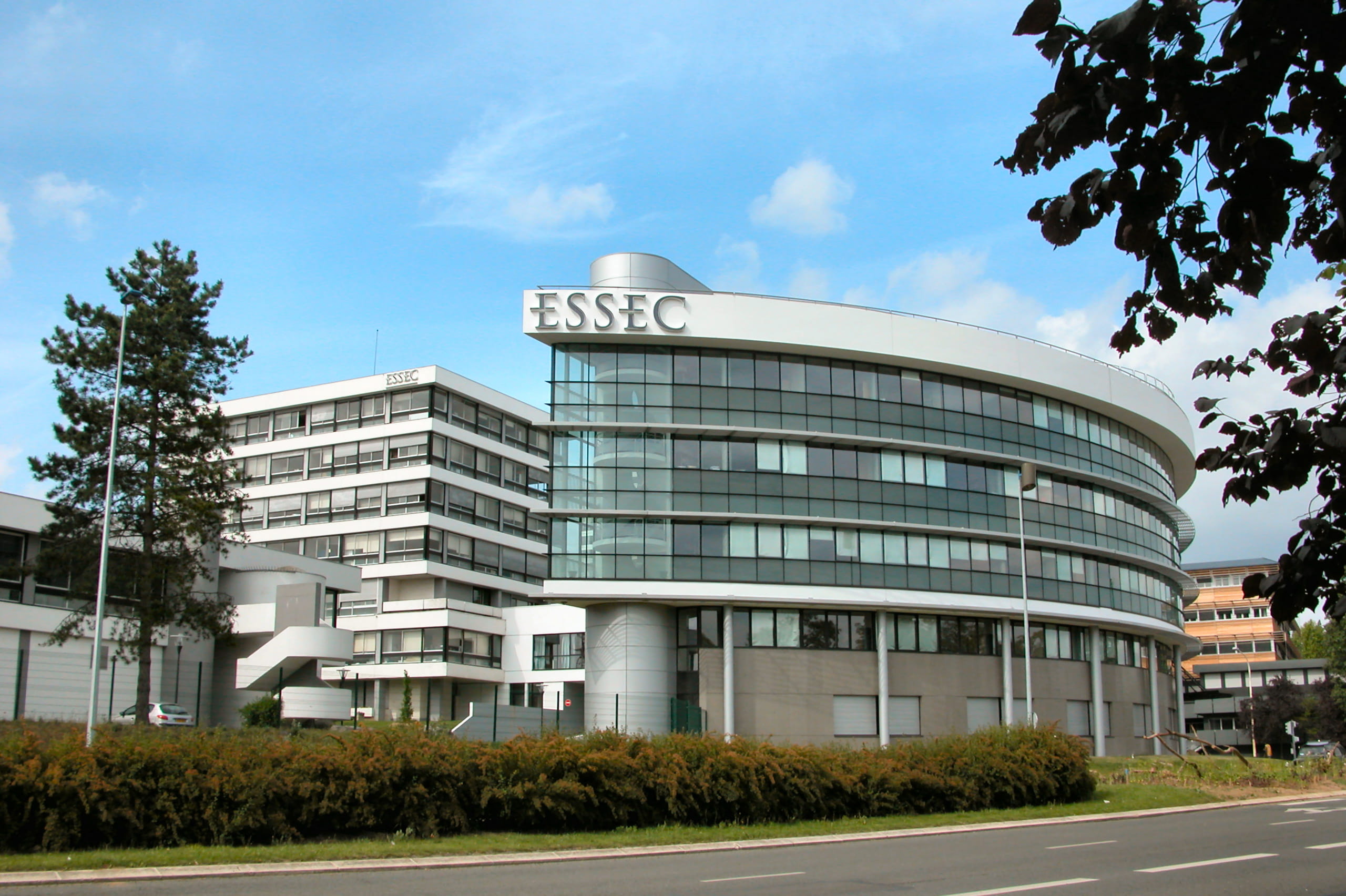
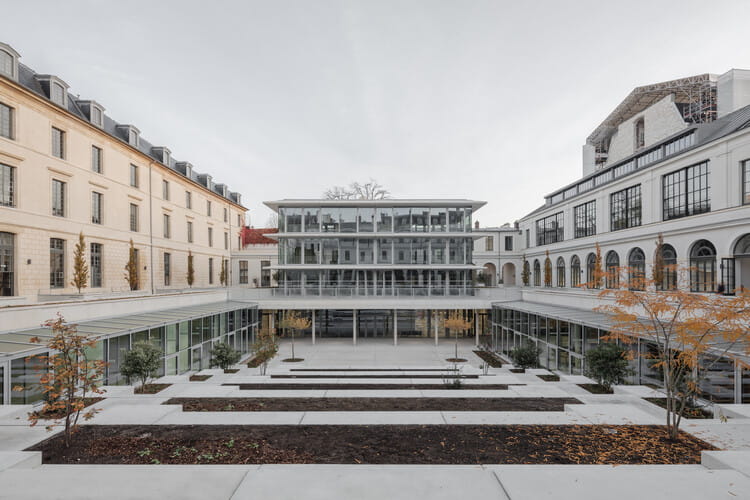
France hosts several globally recognised institutions, including:
These institutions are known for:
Strong academic reputation
Global industry connections
High employability outcomes
In addition to top-tier schools, France also offers a wide network of public universities providing specialised programs at affordable costs.
France Student Visa: What You Actually Need
International students must apply for a Long-Stay Student Visa (VLS-TS) to study in France.
This visa allows students to:
Study full-time at a recognised institution
Work part-time during studies
Stay legally in France for the duration of the program
Before applying for the visa, Indian students are required to complete the Campus France process, which verifies academic documents and supports visa applications.
Applicants must secure an admission offer before starting the visa process.
Financial Requirements to Study in France
France maintains moderate financial requirements compared to other Western destinations.
Tuition Fees
Public universities:
Programs
Annual Cost (CAD)
Annual Cost (INR Approx.)
Bachelor’s programs
EUR 2,700 – 3,500 per year
≈ INR 2.4 – 3.2 lakh
Master’s programs
EUR 3,500 – 4,000 per year
≈ INR 3.2 – 3.6 lakh
Private institutions:
EUR 8,000 – 20,000 per year
≈ INR 7 – 18 lakh
Living Expenses in France
Average yearly cost:
EUR 9,000 – 12,000 ≈ INR 8 – 11 lakh
Typical monthly expenses include:
Typical Monthly Expensey
Estimated Cost (EUR)
Accommodation
300 – 800
Food
200 – 400
Transportation
50 – 100
Utilities & Internet
100 – 150
Total estimated yearly budget including tuition: EUR 12,000 – 25,000 ≈ INR 11 – 23 lakh
Language Requirements.
France offers both French-taught and English-taught programs.
English programs require:
IELTS: 6.0 – 6.5
TOEFL equivalent
French-taught programs require:
DELF / DALF certification
While it is possible to study in English, learning French significantly improves:
Internship opportunities
Part-time job access
Long-term employment prospects
Work While Studying in France
International students are permitted to work:
Up to 964 hours per year (~20 hours per week)
Part-time work helps students manage living expenses and gain local experience.
Post-Study Work Opportunities
France offers structured post-study opportunities for graduates.
Master’s graduates can apply for:
Temporary Residence Permit (APS) allowing stay up to 2 years
This allows graduates to:
Search for employment
Gain work experience
Transition into long-term work permits
Career Opportunities After Studying in France
France offers strong employment opportunities across multiple sectors.
High-demand industries include:
Programs Section
Business and Finance
Luxury Brand Management
Hospitality and Tourism
Engineering
Technology
Major global companies headquartered or operating in France include:
L’Oréal
Airbus
BNP Paribas
TotalEnergies
Accor
Students who combine education with French language skills have significantly stronger employment outcomes.
Long-Term Residency Pathways
France does not automatically grant permanent residency after study.
However, graduates who secure employment may transition to:
Work permits
Long-term residence permits
Eligibility depends on:
Employment
Income level
Duration of stay
Integration into French society
Popular Courses with Strong Employability
France is globally recognised for:
Programs Section
Business and Management
Luxury Brand Management
Fashion and Design
Hospitality Management
Engineering
Marketing and Communication
Programs aligned with France’s economic sectors offer better career opportunities.
Scholarships in France
France offers several scholarships for international students.
These include:
Eiffel Excellence Scholarship
Charpak Scholarship (for Indian students)
University-specific scholarships
Government-funded programs
Most scholarships are merit-based and competitive.
Intakes in France
France primarily offers:
Intakes Section
September intake (main intake)
January intake (limited programs)
Students should begin applications 6–9 months in advance.
Can You Bring Dependents?
Students may bring dependents under certain conditions.
Spouses may receive work rights depending on visa type.
Eiffel Scholarship · Charpak Scholarship ·Erasmus+ · University Merit Grants
Frequently Asked Questions
Everything you need to know in one place
Can I stay back and work after completing my studies?
Most top destinations offer post-study work permits (PSW) that let you gain international work experience. Duration depends on the country and program level
How do I know if I am eligible for a study abroad program?
Eligibility depends on academic scores, language proficiency, financial capacity, and program prerequisites. Winny evaluates your profile and suggests the right options.
What is the timeline for the study abroad process?
The process generally takes 8–12 months, including university selection, application submission, offer letters, financial prep, and visa filing.
Can I work part-time while studying abroad?
Most countries allow international students to work 20 hours/week during classes and full-time during breaks. Part-time jobs help manage living expenses and gain experience.
Do universities offer scholarships to international students?
Yes, many universities offer merit-based, need-based, and country-specific scholarships. Winny helps identify scholarships you qualify for and guides you with applications.
What English tests are accepted by universities?
Most universities accept IELTS, TOEFL, PTE, Duolingo, or country-specific tests. Your required score depends on your program and university.
How do I choose the right country to study abroad?
Students usually decide based on career goals, budget, job opportunities, PR pathways, and university rankings. Winny helps you shortlist countries that match your long-term plan.
What documents are required to apply for study abroad?
You typically need academic transcripts, passport, English-language test scores, SOP/LORs, financial proof, and application forms. Requirements vary by country and university.
How much does it cost to study abroad?
Costs depend on the country, program, and living expenses. Students should plan for tuition, accommodation, travel, and daily expenses. Winny helps with accurate cost breakdowns for your target country.
What are the best intakes for studying abroad?
Major intakes include Fall/September and Spring/January, while some countries also offer Summer or rolling intakes. Applying early ensures better chances of admission and scholarships.
Germany’s Opportunity Card opens legal job-search access for non-IT professionals in healthcare, trades, logistics, construction, and manufacturing—not just tech roles.
Prepare for your US B1/B2 visa interview with real questions, expert answer strategies, 214(b) refusal insights, and document guidance. A complete 2026 guide for Indian applicants.
Europe offers Indian students high-quality education, diverse country options, and strong career pathways—but choosing the right destination requires separating myths from reality.
Public universities in Germany provide affordable, high-quality education with competitive admissions, while private universities offer easier entry and faster pathways at higher costs.
In 2026, U.S. visitor visas are decided mainly through the interview, with officers prioritising travel intent and strong ties to India over documents.
In 2026, Schengen visas are judged on overall credibility and risk, not just paperwork. Clear travel purpose, financial consistency, and strong return ties now decide approval.
Travel history can support USA and Schengen visa applications, but it does not guarantee approval. Strong ties to India and a clear travel purpose matter far more.
The U.S. B1/B2 Visitor Visa lets Indians travel to the USA for tourism or business, offering up to 10 years validity with short-term stays. In 2026, higher fees, long wait times, and stricter checks make early application and strong documentation essential.