Germany has become one of the most attractive education destinations in Europe for international students. For Indian students, Germany offers globally recognised degrees, affordable or tuition-free education at public universities, and access to Europe’s largest economy.
The country is known for its strong engineering tradition, research-driven universities, and close collaboration between academia and industry. Many universities work directly with major global companies, allowing students to gain practical experience during their studies.
Germany currently hosts hundreds of thousands of international students, and the number of Indian students choosing Germany continues to grow rapidly due to its combination of academic quality, low tuition costs, and strong employment opportunities.
For students looking for high-quality education in Europe with realistic career prospects, Germany offers one of the most structured and cost-effective study destinations.
Why Study in Germany?
Germany’s international education appeal comes from its high academic standards, low tuition fees, and strong industrial economy.
Public universities in Germany are funded by the government, which allows many programs to be offered with little or no tuition fees compared with other study destinations.
German universities emphasise research, innovation, and technical excellence. Many programs combine academic learning with practical training and industry collaboration.
For Indian students, Germany provides the opportunity to study at globally respected institutions while gaining exposure to one of Europe’s most advanced economies.
German Higher Education System Explained
Germany’s education system is regulated by federal states and national academic frameworks to maintain consistent quality.
Institutions generally fall into three main categories:
Public Universities
Universities of Applied Sciences (Fachhochschulen)
Private Universities
Programs offered include:
Bachelor’s degrees
3–4 Years
Master’s degrees
1–2 Years
Graduate certificates and diplomas
Doctoral Programs
3–5 Years
Applied technical and research programs
Universities of Applied Sciences focus heavily on practical training and industry partnerships, making them particularly popular among international students seeking job-oriented programs.
Many master’s programs in Germany are also offered in English, especially in engineering, technology, and business fields.
Top Universities in Germany
Germany is home to several internationally recognised universities known for research excellence.
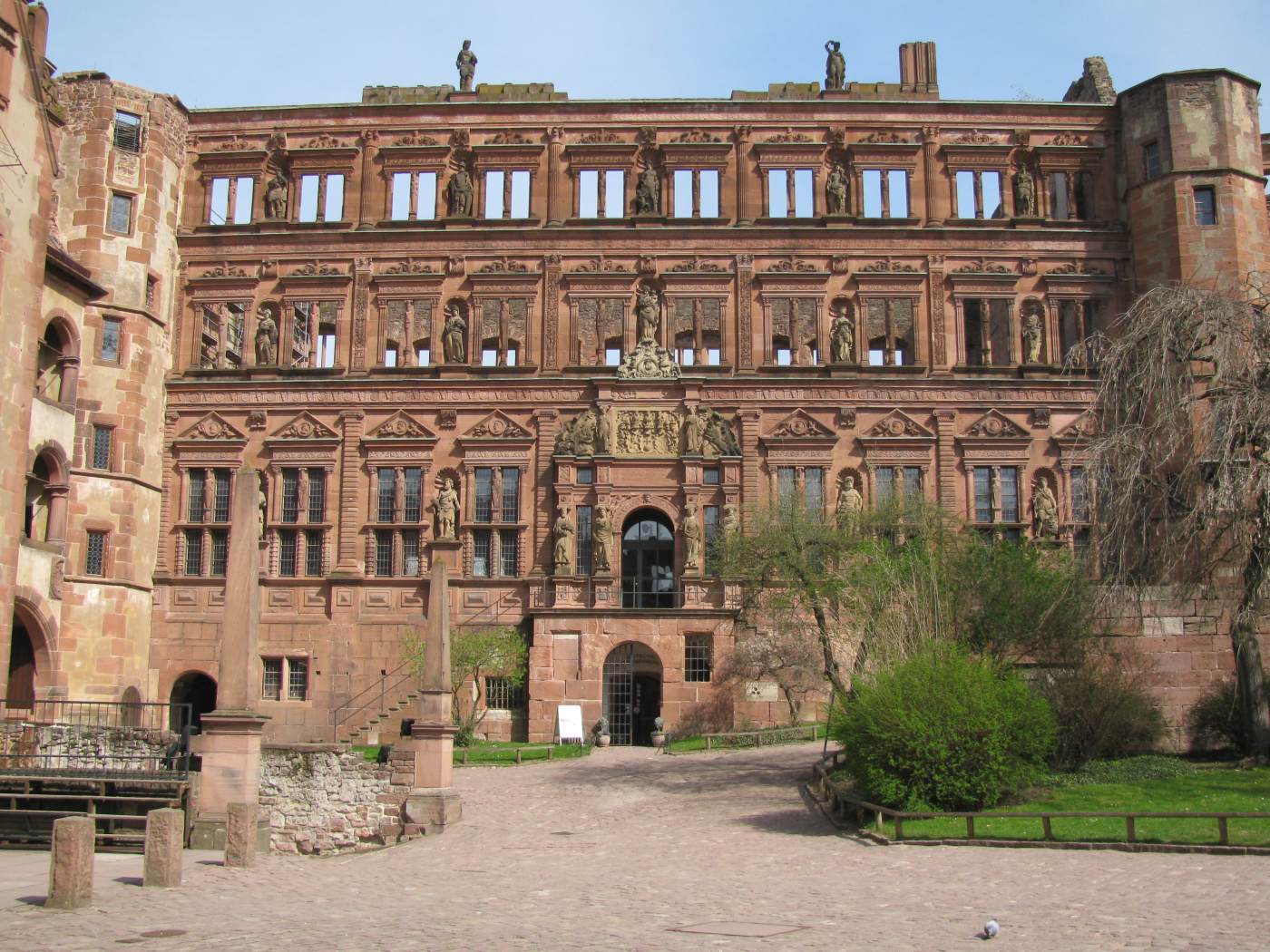
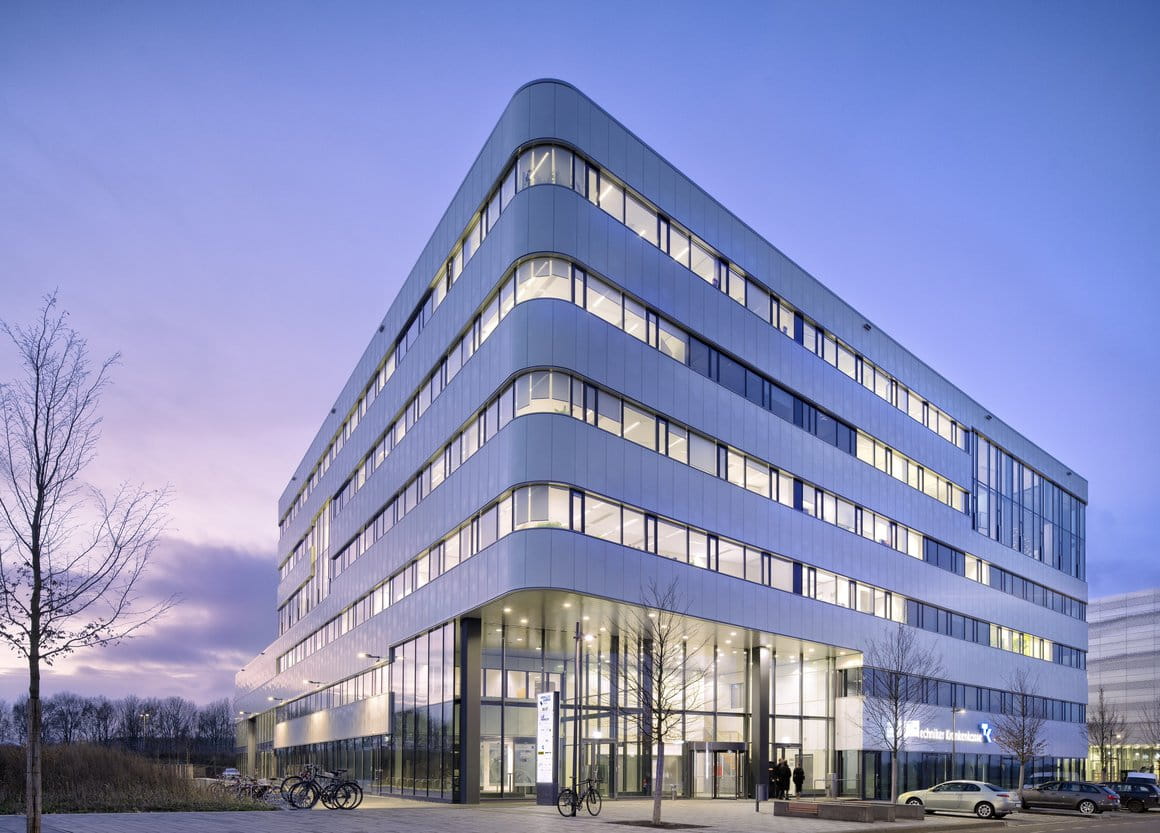
Some of the top universities include:
These institutions are globally recognised for research, innovation, and strong industry partnerships.
Germany’s university system also includes many high-quality public universities offering specialised technical programs, particularly in engineering and technology fields.
Germany Student Visa: What You Actually Need
International students from India require a German National Student Visa (Type D Visa) to study in Germany.
This visa allows students to:
Study full-time at a recognised German university
Work part-time during studies
Stay in Germany to search for jobs after graduation
To apply, students must first secure admission from a recognised German university.
Applicants are also required to show proof of financial resources through a Blocked Account (Sperrkonto).
Financial Requirements to Study in Germany
Germany is known for relatively affordable education compared with other popular study destinations.
Tuition Fees
Public universities:
Most programs charge little or no tuition fees.
Students typically pay semester contributions of:
EUR 250 – 350 per semester ≈ INR 22,000 – 30,000
Private universities:
EUR 10,000 – 20,000 per year ≈ INR 9 – 18 lakh
Living Expenses in Germany
International students must demonstrate financial capacity for living expenses.
Germany currently requires proof of approximately:
EUR 11,208 per year ≈ INR 10 lakh
This amount is usually shown through a blocked account.
Typical monthly expenses include:
Typical Monthly Expenses
Estimated Cost (EUR)
Accommodation
300 – 700
Food
150 – 300
Transportation
50 – 100
Utilities & Internet
100 – 150
Estimated yearly budget including living expenses:
EUR 11,000 – 15,000
≈ INR 10 – 13 lakh
German Language Requirements
Many bachelor’s programs in Germany are taught in German, while many master’s programs are offered in English.
Common language requirements include:
German language tests:
TestDaF
DSH
Goethe Zertifikat
English language tests for English-taught programs:
IELTS Academic
TOEFL
Learning German significantly improves employment opportunities after graduation.
Work While Studying in Germany
International students in Germany are permitted to work:
120 full days per year or
240 half days per year
Students may also work as student assistants (HiWi) at universities or research institutions.
Part-time jobs help students gain experience and support living expenses.
Job Search Visa After Graduation
Germany offers international graduates a Job Seeker Residence Permit after completing their degree.
Graduates can stay in Germany for up to 18 months to search for full-time employment related to their field of study.
During this period, graduates may work in temporary roles while searching for a permanent job.
Career Opportunities After Studying in Germany
Germany has one of the strongest industrial economies in Europe and a growing demand for skilled professionals.
Industries with strong demand include:
Programs Section
Engineering
Information Technology
Automotive Industry
Data Science
Artificial Intelligence
Manufacturing
Healthcare
Many global companies operate in Germany, including:
BMW
Volkswagen
Siemens
SAP
Bosch
These industries create strong employment opportunities for graduates in technical and engineering fields.
Permanent Residency Pathways After Studying
Germany offers clear pathways to long-term residence for skilled graduates.
After securing a qualified job, graduates may apply for an EU Blue Card.
The EU Blue Card allows skilled professionals to live and work in Germany and may lead to permanent residency after a certain period.
Permanent residence eligibility generally depends on:
Employment duration
Income level
German language skills
Social contributions
Many graduates transition from Student Visa → Job Seeker Permit → EU Blue Card → Permanent Residency.
Popular Courses with Strong Employability
Germany is globally known for technical education and engineering programs.
Popular fields include:
Programs Section
Mechanical Engineering
Automotive Engineering
Computer Science
Data Science and AI
Electrical Engineering
Robotics
Business and Management
Renewable Energy
Programs aligned with Germany’s industrial strengths tend to offer stronger employment outcomes.
Scholarships in Germany
Germany offers several scholarships for international students.
These include:
DAAD Scholarships
Deutschlandstipendium
University-specific scholarships
Research funding grants
Many scholarships support postgraduate students and research scholars.
Intakes in Germany
Germany primarily offers two academic intakes:
Intakes Section
Winter Intake (September/October) – Main intake
Summer Intake (March/April) – Limited programs
Students should begin preparing applications 8–10 months in advance.
Can You Bring Dependents?
In many cases, international students may bring dependents to Germany.
Spouses may receive work permission, and children may attend school.
Financial proof requirements increase when dependents are included in the application.
Study in Europe’s powerhouse of innovation — where top-ranked public universities, practical learning, and tuition-free education make Germany a favorite among international students.
Specialize in automotive, mechanical, or electrical engineering with access to global firms like BMW and Siemens.
Computer Science
Excel in software engineering, AI, and cybersecurity with Germany’s strong tech research base.
Business Analytics
Blend business acumen with data skills in one of Europe’s most innovation-driven economies.
Architecture
Study cutting-edge design and sustainable construction in Germany’s architectural hubs.
Renewable Energy
Lead the global green revolution through advanced renewable energy and sustainability programs.
Biotechnology
Gain expertise in molecular biology and pharmaceuticals in a country known for R&D excellence.
Tuition Fees: €0–€5,000/year (public) Living Costs: €10,000–€15,000/year
Scholarships: DAAD, Erasmus+, Heinrich Böll, and university-specific grants.
Frequently Asked Questions
Everything you need to know in one place
Can I stay back and work after completing my studies?
Most top destinations offer post-study work permits (PSW) that let you gain international work experience. Duration depends on the country and program level
How do I know if I am eligible for a study abroad program?
Eligibility depends on academic scores, language proficiency, financial capacity, and program prerequisites. Winny evaluates your profile and suggests the right options.
What is the timeline for the study abroad process?
The process generally takes 8–12 months, including university selection, application submission, offer letters, financial prep, and visa filing.
Can I work part-time while studying abroad?
Most countries allow international students to work 20 hours/week during classes and full-time during breaks. Part-time jobs help manage living expenses and gain experience.
Do universities offer scholarships to international students?
Yes, many universities offer merit-based, need-based, and country-specific scholarships. Winny helps identify scholarships you qualify for and guides you with applications.
What English tests are accepted by universities?
Most universities accept IELTS, TOEFL, PTE, Duolingo, or country-specific tests. Your required score depends on your program and university.
How do I choose the right country to study abroad?
Students usually decide based on career goals, budget, job opportunities, PR pathways, and university rankings. Winny helps you shortlist countries that match your long-term plan.
What documents are required to apply for study abroad?
You typically need academic transcripts, passport, English-language test scores, SOP/LORs, financial proof, and application forms. Requirements vary by country and university.
How much does it cost to study abroad?
Costs depend on the country, program, and living expenses. Students should plan for tuition, accommodation, travel, and daily expenses. Winny helps with accurate cost breakdowns for your target country.
What are the best intakes for studying abroad?
Major intakes include Fall/September and Spring/January, while some countries also offer Summer or rolling intakes. Applying early ensures better chances of admission and scholarships.
Europe travel for Indians is getting stricter in 2026 as the Schengen Zone introduces digital entry systems, biometric tracking, and tighter compliance checks.
In contrast to other nations, Canada does not have a centralized immigration structure in which the federal government is solely responsible for all immigration programs. All provinces in Canada are free to establish their own.
The popularity of the Canada Start-up Visa is due to a number of factors. The Canada Start-Up Visa stands out among the many countries that offer start-up.
Employment opportunities in accounting and financing streams are multiple across Canada. In recent years, several industries have contributed to employment growth; accounting & financing is one of them. The financing sector has been.
Its the same reason you need architects and engineers to design your home, plumbers to install plumbing, and carpenters to build furniture: nothing is ever as simple as it appears. A superficial examination of the.
What is Educational Credential Assessment?An Educational credential assessment (ECA) is used to verify that your foreign degree, diploma, or certificate (or other proof of your credential) is valid and equal to a Canadian one. There.
Labor shortages afflict Newfoundland and Labrador, making it an ideal destination for foreign nationals seeking to immigrate to Canada but only if they are looking for work in the right industries. To assist those.
As a recent immigrant or someone interested in immigrating to Canada, an employment offer helps make settling into your new province much easier. While the job search process might be different in your native country,.
The Saskatchewan Immigrant Nominee Program (SINP) is one of several Provincial Nominee Programs (PNP) that provides immigration to international applicants who do not have a job offer..



.jpg)
.jpg)