Italy has emerged as one of the most cost-effective and culturally rich higher education destinations in Europe. For Indian students, it offers globally recognised degrees, affordable tuition fees at public universities, and access to the broader European job market.
Unlike many traditional study destinations, Italy combines historical academic excellence with modern, industry-relevant education, particularly in fields such as design, architecture, engineering, business, and arts.
Italy is home to some of the oldest universities in the world and continues to maintain strong academic standards across its public university system. With increasing availability of English-taught programs, it has become a viable and attractive option for Indian students seeking quality education at a lower overall cost.
For students looking for affordable European education with global recognition and cultural exposure, Italy offers a structured and accessible pathway.
Why Study in Italy?
Italy’s appeal lies in its affordability, academic heritage, and scholarship opportunities.
Public universities in Italy offer significantly lower tuition fees compared to countries like the USA, UK, or Australia. In addition, the Italian government and regional authorities provide scholarships that can further reduce financial burden.
Italy is globally recognised for excellence in:
Design and fashion
Architecture and civil engineering
Business and economics
Arts and humanities
For Indian students, this creates a strong opportunity to study in a culturally rich environment while gaining internationally respected qualifications.
Italian Higher Education System Explained
Italy’s higher education system is regulated under national frameworks to ensure academic consistency and quality.
Institutions include:
Public Universities
Private Universities
Technical Institutes and and Specialised Schools
Programs offered include:
Bachelor’s degrees
Laurea – 3 years
Master’s degrees
Laurea Magistrale – 2 years
Doctoral programs
3–4 years
Italian universities follow the European Credit Transfer System (ECTS), making degrees recognised across Europe.
Many master’s programs are now offered in English, especially in business, engineering, and technology fields.
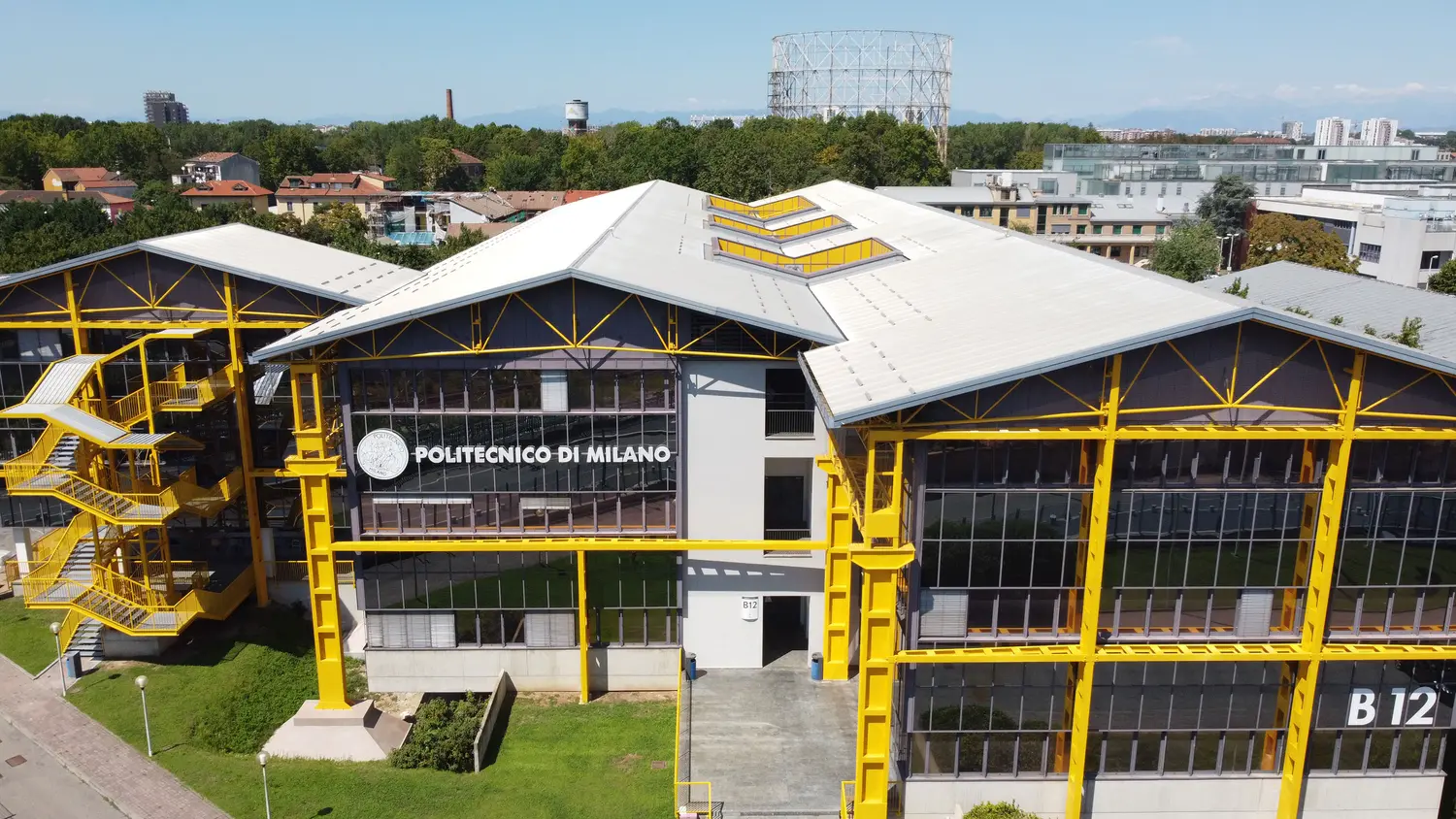
Top Universities in Italy
Italy is home to several globally recognised universities, including:
These institutions are known for academic excellence, research contributions, and strong international collaborations.
In addition to top universities, Italy offers a wide range of public institutions with affordable tuition and specialised programs.
Italy Student Visa: What You Actually Need
Indian students require a Type D National Student Visa to study in Italy.
This visa allows students to:
Study full-time at an approved institution
Work part-time during studies
Stay in Italy for the duration of the course
To apply, students must first secure an admission letter and complete pre-enrollment through the Universitaly portal.
Applicants must also demonstrate financial capability and accommodation arrangements.
Financial Requirements to Study in Italy
Italy is one of the most affordable study destinations in Europe.
Tuition Fees
Category
Annual Cost (EUR)
Annual Cost (INR Approx.)
Public universities
1,000 – 4,000 per year
≈ INR 90,000 – 3.5 lakh
Private universities
6,000 – 20,000 per year
≈ INR 5 – 18 lakh
(Fees vary based on university, program, and family income brackets.)
Public universities:
EUR 1,000 – 4,000 per year ≈ INR 90,000 – 3.5 lakh
Private universities:
EUR 6,000 – 20,000 per year ≈ INR 5 – 18 lakh
(Fees vary based on university, program, and family income brackets.)
Living Expenses in Italy
Students must demonstrate sufficient funds for living expenses.
Average yearly cost:
EUR 8,000 – 12,000 ≈ INR 7 – 11 lakh
Typical monthly expenses include:
Typical Monthly Costs
Estimated Cost (EUR)
Accommodation
EUR 300 – 700
Food
EUR 200 – 400
Transportation
EUR 50 – 100
Utilities & Internet
EUR 100 – 150
Total estimated yearly budget including tuition: EUR 10,000 – 16,000 ≈ INR 9 – 15 lakh
Language Requirements
Italy offers both Italian-taught and English-taught programs.
English-taught programs require:
IELTS: 6.0 – 6.5
TOEFL equivalent
Some universities may accept Medium of Instruction (MOI) certificates instead of IELTS.
Italian language is not mandatory for many programs but is highly recommended for:
Part-time jobs
Daily life
Long-term employment
Work While Studying in Italy
International students are allowed to work:
Up to 20 hours per week
Part-time work helps students manage living expenses and gain experience.
Post-Study Work Opportunities
Italy allows international students to stay after graduation.
Graduates can apply for:
1-year job search residence permit
This allows students to:
Stay in Italy to find employment
Transition into a work permit after securing a job
Career Opportunities After Studying in Italy
Italy offers opportunities across multiple sectors, particularly in:
Programs Section
Design and Fashion
Architecture
Engineering
Business and Finance
Hospitality and Tourism
Italy is home to globally recognised brands such as:
Ferrari
Gucci
Prada
Eni
Fiat
Students with Italian language skills and relevant qualifications have better employment prospects.
Long-Term Residency Pathways
Italy does not guarantee permanent residency after study.
However, students who:
Secure employment
Maintain legal residence
May apply for long-term residence permits over time.
Residency eligibility depends on:
Employment
Duration of stay
Income stability
Scholarships in Italy
Italy offers a wide range of scholarships for international students.
These include:
Italian Government Scholarships
DSU Regional Scholarships
University-specific scholarships
Merit-based fee waivers
Many scholarships cover:
Tuition fees
Accommodation
Living expenses
This makes Italy one of the most financially accessible study destinations.
Intakes in Italy
Italy primarily offers:
Intakes Section
September / October intake (main intake)
February – Some universities may offer limited intakes
Students should begin applications 6–9 months in advance.
Can You Bring Dependents?
Students may bring dependents under certain conditions.
Spouses may receive work rights after conversion to appropriate residence permits.
Financial proof requirements increase when dependents are included.
Common Reasons for Italy Student Visa Refusal
Incomplete documentation
Financial proof issues
Lack of accommodation proof
Unclear academic progression
Weak motivation letter
Proper structuring of application documents significantly reduces refusal risk.
How Winny Helps You Study in Italy
Studying in Italy is not just about securing admission — it involves navigating scholarships, income-based tuition systems, pre-enrolment, and visa documentation correctly.
Winny approaches this as a structured process, not just an application.
Profile & Eligibility Mapping
We evaluate your:
Academic background
Study gaps
Budget range
Career goals
This ensures your application is aligned not just with admission requirements, but also with visa approval logic and long-term outcomes.
Right University + Scholarship Strategy
Italy is highly scholarship-driven — choosing the right university directly impacts your cost.
We help you:
Identify universities with DSU and regional scholarships
Target programs with lower tuition brackets
Align choices with budget + career outcomes
This is critical because many students overpay simply due to poor selection.
Financial Structuring & Documentation
Italy visa decisions depend heavily on financial clarity and documentation accuracy.
We guide you on:
Required bank balance and fund structure
Affidavits and sponsorship clarity
Income justification
Accommodation proof
A properly structured financial file significantly improves visa approval chances.
SOP & Motivation Letter Strategy
Italy places strong emphasis on your motivation letter and academic intent.
We help you build:
Clear academic progression
Logical course selection
Career alignment
Strong narrative (not generic templates)
This directly impacts both admission and visa outcome.
Universitaly & Pre-Enrolment Support
The Universitaly process is one of the most misunderstood steps.
We provide:
Step-by-step pre-enrolment guidance
Document validation support
Error-free submission
Mistakes here can delay or reject your entire application.
Student Visa Application Support
We assist with:
Complete documentation checklist
Visa file structuring
Appointment guidance
Risk assessment before submission
Our focus is to ensure your application is not just complete, but convincing.
Post-Study & Career Direction
We guide you early on:
Job search visa (post-study permit)
Industry opportunities in Italy
Importance of Italian language
European mobility options
Because planning should not start after graduation — it should start before you apply.
DSU Regional Scholarships · Italian Government Scholarships · University Merit Grants
Frequently Asked Questions
Everything you need to know in one place
Can I stay back and work after completing my studies?
Most top destinations offer post-study work permits (PSW) that let you gain international work experience. Duration depends on the country and program level
How do I know if I am eligible for a study abroad program?
Eligibility depends on academic scores, language proficiency, financial capacity, and program prerequisites. Winny evaluates your profile and suggests the right options.
What is the timeline for the study abroad process?
The process generally takes 8–12 months, including university selection, application submission, offer letters, financial prep, and visa filing.
Can I work part-time while studying abroad?
Most countries allow international students to work 20 hours/week during classes and full-time during breaks. Part-time jobs help manage living expenses and gain experience.
Do universities offer scholarships to international students?
Yes, many universities offer merit-based, need-based, and country-specific scholarships. Winny helps identify scholarships you qualify for and guides you with applications.
What English tests are accepted by universities?
Most universities accept IELTS, TOEFL, PTE, Duolingo, or country-specific tests. Your required score depends on your program and university.
How do I choose the right country to study abroad?
Students usually decide based on career goals, budget, job opportunities, PR pathways, and university rankings. Winny helps you shortlist countries that match your long-term plan.
What documents are required to apply for study abroad?
You typically need academic transcripts, passport, English-language test scores, SOP/LORs, financial proof, and application forms. Requirements vary by country and university.
How much does it cost to study abroad?
Costs depend on the country, program, and living expenses. Students should plan for tuition, accommodation, travel, and daily expenses. Winny helps with accurate cost breakdowns for your target country.
What are the best intakes for studying abroad?
Major intakes include Fall/September and Spring/January, while some countries also offer Summer or rolling intakes. Applying early ensures better chances of admission and scholarships.
In 2026, global migration offers real opportunities for Indian professionals, but success depends on profile strength, preparation, and choosing the right country.
Germany’s Opportunity Card allows professionals to move without a job offer and access a labour market facing 400,000+ annual worker shortages, creating strong opportunities across sectors.
Germany’s Opportunity Card allows IT professionals to enter without a job offer and access a growing tech job market driven by long-term digital transformation.
Germany Opportunity Card for engineers in 2026 explained. Understand eligibility, points system, job demand, salary, and real chances of getting hired in Germany.
Compare Germany Opportunity Card vs German Work Visa in 2026. Learn eligibility, salary thresholds, timelines, points system, job search rules, and which visa is better for skilled professionals.
Can you apply for the Germany Opportunity Card after 40? Learn about the age limit, points system, eligibility rules, and chances for experienced professionals in 2026.
Discover if education in Germany is free for Indian students. Learn tuition fees, living costs, blocked account requirements, and total study expenses in 2026.
Germany’s Opportunity Card requires applicants to prove approximately €12,324 in liquid funds to support themselves during the 12-month job search period.