Spain has emerged as one of Europe’s most attractive and accessible study destinations for international students. For Indian students, it offers globally recognised degrees, affordable tuition fees, and access to the broader European education and job market.
Unlike traditional study destinations that focus purely on academics, Spain combines quality education with lifestyle, cultural exposure, and growing international career opportunities. Its universities are increasingly offering English-taught programs, making it more accessible to non-Spanish speakers.
Spain is also part of the European Higher Education Area (EHEA), meaning degrees are recognised across Europe and internationally.
For students seeking affordable European education, cultural exposure, and long-term opportunities within the EU, Spain offers a structured and increasingly popular pathway.
Why Study in Spain?
Spain’s appeal lies in its affordability, growing internationalisation, and strong academic foundations.
Public universities in Spain offer relatively low tuition fees compared to countries like the USA, UK, or Australia. At the same time, Spain is investing heavily in attracting international students through English-taught programs and global partnerships.
Spain is particularly strong in:
Business and Management
Hospitality and Tourism
International Relations
Arts and Humanities
Architecture
For Indian students, Spain offers the opportunity to study in a globally connected European environment at a manageable cost, while gaining exposure to international industries.
Spanish Higher Education System Explained
Spain’s higher education system is regulated under European academic frameworks, ensuring quality and recognition.
Institutions include:
Public Universities
Private Universities
Business Schools
Programs offered include:
Bachelor’s degrees
Grado – 3–4 years
Master’s degrees
1–2 years
Doctoral programs
3–4 years
Spain follows the European Credit Transfer System (ECTS), allowing degree recognition across EU countries.
Many master’s programs and some bachelor’s programs are offered in English, especially in business and international studies.
Top Universities in Spain
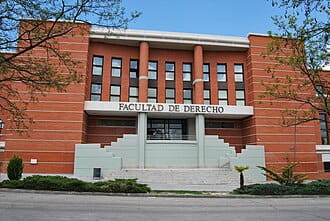
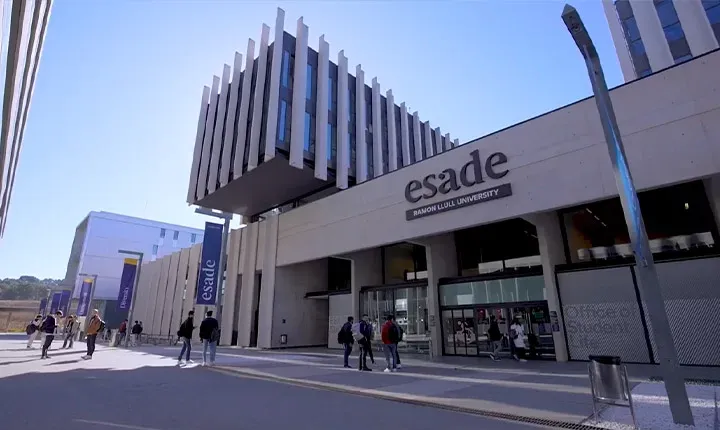
Spain is home to several well-recognised universities and business schools, including:
These institutions are known for academic quality, research, and strong industry connections.
Spain is also particularly well-known for its globally ranked business schools, which attract students from across the world.
Spain Student Visa: What You Actually Need
Indian students require a Long-Stay Student Visa (Type D Visa) to study in Spain.
This visa allows students to:
Study full-time at an approved institution
Work part-time during studies
Stay legally in Spain for the duration of the course
Students must secure an admission letter before applying and provide proof of financial means, accommodation, and medical insurance.
Financial Requirements to Study in Spain
Spain offers relatively affordable education compared to other Western countries.
Tuition Fees
Category
Annual Cost (EUR)
Annual Cost (INR Approx.)
Public universities
1,500 – 6,000 per year
≈ INR 1.3 – 5.5 lakh
Private universities
6,000 – 20,000 per year
≈ INR 5 – 18 lakh
(Fees vary based on program and institution.)
Living Expenses in Spain
Students must demonstrate sufficient funds for living expenses.
Average yearly cost:
EUR 8,000 – 12,000 ≈ INR 7 – 11 lakh
Typical monthly expenses include:
Typical Monthly Costs
Estimated Cost (EUR)
Accommodation
EUR 300 – 800
Food
EUR 200 – 400
Transportation
EUR 50 – 100
Utilities & Internet
EUR 100 – 150
Total estimated yearly budget including tuition: EUR 10,000 – 18,000 ≈ INR 9 – 16 lakh
Language Requirements
Spain offers both Spanish-taught and English-taught programs.
English-taught programs require:
IELTS: 6.0 – 6.5
TOEFL equivalent
Spanish-taught programs require:
DELE certification
While it is possible to study in English, learning Spanish significantly improves:
Job opportunities
Internship access
Daily life integration
Work While Studying in Spain
International students can work:
Up to 30 hours per week (subject to authorisation)
Part-time work helps cover living expenses and gain experience.
Post-Study Work Opportunities
Spain has introduced improved post-study pathways.
Students can apply for:
12-month job search residence permit after graduation
This allows students to:
Stay in Spain to find employment
Transition into a work permit
Career Opportunities After Studying in Spain
Spain offers opportunities across various sectors, particularly in:
Programs Section
Business and Finance
Tourism and Hospitality
International Trade
Marketing and Communication
Technology and Startups
Major global companies in Spain include:
Inditex (Zara)
Banco Santander
Telefónica
Repsol
Students with Spanish language skills and relevant qualifications have better employment prospects.
Long-Term Residency Pathways
Spain does not offer automatic permanent residency after study.
However, students who:
Secure employment
Transition to a work permit
May apply for long-term residency over time.
Residency eligibility depends on:
Length of stay
Employment status
Income level
Scholarships in Spain
Spain offers several scholarship options for international students.
These include:
Spanish Government Scholarships
Erasmus+ Programs
University-specific scholarships
Business school scholarships
Most scholarships are merit-based and may cover partial tuition.
Intakes in Spain
Spain primarily offers:
Intakes Section
September intake (main intake)
January or February – Some universities offer limited intakes
Students should begin applications 6–9 months in advance.
Can You Bring Dependents?
Students may bring dependents under certain conditions.
Spouses may receive work rights depending on visa type.
Can I stay back and work after completing my studies?
Most top destinations offer post-study work permits (PSW) that let you gain international work experience. Duration depends on the country and program level
How do I know if I am eligible for a study abroad program?
Eligibility depends on academic scores, language proficiency, financial capacity, and program prerequisites. Winny evaluates your profile and suggests the right options.
What is the timeline for the study abroad process?
The process generally takes 8–12 months, including university selection, application submission, offer letters, financial prep, and visa filing.
Can I work part-time while studying abroad?
Most countries allow international students to work 20 hours/week during classes and full-time during breaks. Part-time jobs help manage living expenses and gain experience.
Do universities offer scholarships to international students?
Yes, many universities offer merit-based, need-based, and country-specific scholarships. Winny helps identify scholarships you qualify for and guides you with applications.
What English tests are accepted by universities?
Most universities accept IELTS, TOEFL, PTE, Duolingo, or country-specific tests. Your required score depends on your program and university.
How do I choose the right country to study abroad?
Students usually decide based on career goals, budget, job opportunities, PR pathways, and university rankings. Winny helps you shortlist countries that match your long-term plan.
What documents are required to apply for study abroad?
You typically need academic transcripts, passport, English-language test scores, SOP/LORs, financial proof, and application forms. Requirements vary by country and university.
How much does it cost to study abroad?
Costs depend on the country, program, and living expenses. Students should plan for tuition, accommodation, travel, and daily expenses. Winny helps with accurate cost breakdowns for your target country.
What are the best intakes for studying abroad?
Major intakes include Fall/September and Spring/January, while some countries also offer Summer or rolling intakes. Applying early ensures better chances of admission and scholarships.
Canada, with its diverse culture, stunning landscapes, and high quality of life, is a sought-after destination for Indian travelers, students, and professionals. Securing the right visa is essential for your visit.
Traveling to the United States from India involves navigating a detailed visa application process. Whether you're planning to visit for tourism, study, work, or other purposes, understanding the steps involved is crucial for a smooth.